Home › Gravel-to-Asphalt Conversions
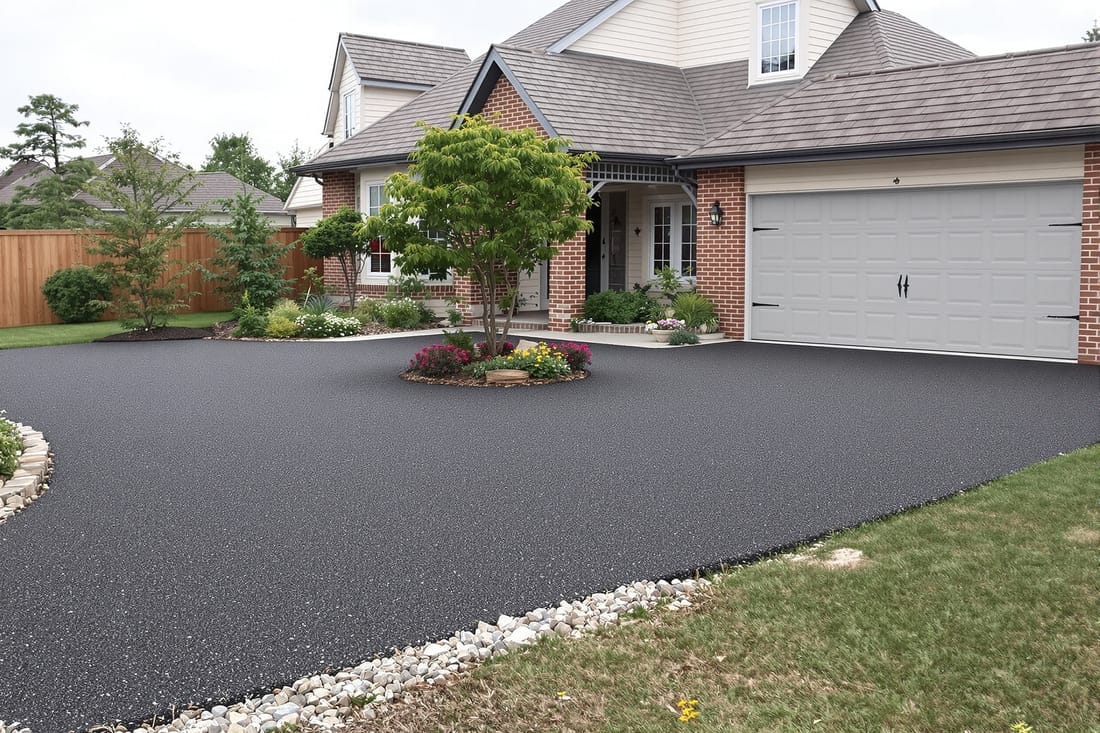
Tired of dust and ruts from a gravel drive. Our gravel to asphalt driveway conversions in Chandler, AZ create a clean, hard surface that is easier to maintain and drive on. We regrade, compact, and pave over existing gravel bases where suitable. Request a free conversion assessment today.
Precision Asphalt Chandler provides professional gravel to asphalt driveway throughout Chandler, AZ, Arizona and the surrounding area. Our licensed, insured crew delivers safe, clean, on-time work with a free estimate before anything begins. Call (480) 462-5798 or request your free quote.
Turn Your Gravel Driveway Into a Clean, Solid Asphalt Surface
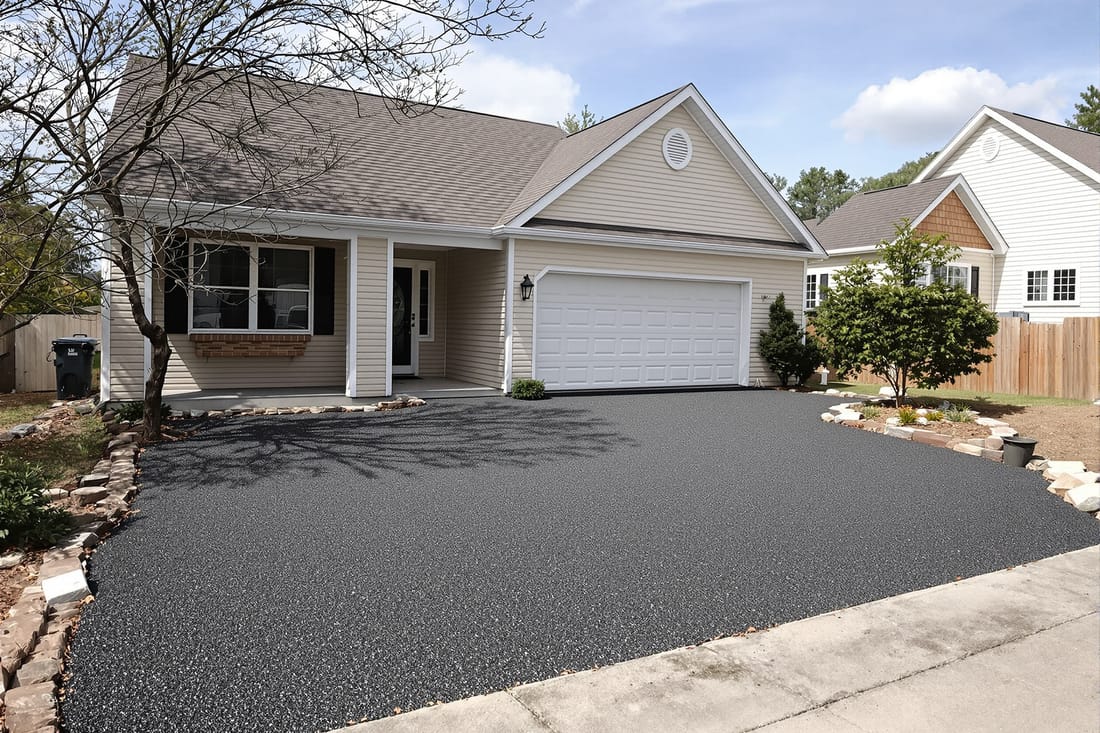
A gravel driveway in Chandler works for a while, but constant dust, washouts after monsoon storms, and ruts from daily traffic get old fast. Converting gravel to asphalt gives you a smooth, clean surface that is easier to drive on and maintain, and it raises the curb appeal and value of your property.
Precision Asphalt Chandler focuses specifically on gravel to asphalt driveway conversions in the East Valley, so we know how Chandler soil, heat, and stormwater behave under real-world traffic. We look at how you actually use your driveway, the weight of your vehicles, and your drainage patterns, then design the asphalt section and base thickness around those details instead of using a one-size-fits-all approach.
Whether you have a short residential drive off Arizona Avenue or a long rural lane on the edge of Chandler, our goal is to turn your dusty rock path into a stable, blacktop surface that holds up in 115-degree summers and does not peel, rut, or flood when the monsoon hits.
Site Evaluation For Chandler’s Soils, Drainage, and HOAs
A successful gravel to asphalt driveway project starts with a thorough site visit. When Precision Asphalt Chandler comes out to your property, we do more than measure length and width. We check soil type, existing gravel depth, drainage flow, and shade versus full sun exposure.
Much of Chandler sits on caliche or very compact sandy soil. In some areas, the ground is already stiff enough to support asphalt with only moderate base upgrades. In others, trapped moisture or soft pockets need to be corrected, or the asphalt will crack and sink. We probe the existing gravel to see if it has been compacted with machinery in the past or simply spread by hand. Uncompacted gravel almost always needs to be reworked.
We also look at where stormwater currently goes. If the driveway slopes toward your garage or front door, we may recommend subtle regrading or adding a swale so monsoon rains do not pond on the new asphalt. For homes in Chandler neighborhoods with HOAs, we review any surface, color, or edging guidelines you have received to make sure the new asphalt layout and transitions will comply before we start work.
Step-by-Step: How We Convert Gravel to Asphalt Driveways
Converting a gravel driveway to asphalt is not just laying blacktop over rock. Precision Asphalt Chandler follows a sequence of steps that are tailored to Chandler conditions so your driveway will last.
1) Layout and elevation checks: We paint out the exact driveway alignment, parking areas, and transitions to the street or alley. Using a level, we confirm that finished asphalt will sit at the right height at the garage slab, gates, and sidewalks to avoid trip lips and water migration into structures.
2) Grading and reshaping: We use skid steers and graders to reshape your existing gravel. High spots are cut down and low spots are filled. The goal is a consistent slope that sheds water to landscaped areas or the street, not toward your home or neighbor.
3) Base building: Depending on what we find, we either reuse and recompact your existing gravel or add new aggregate base (often 3/4 inch AB). For light residential traffic, this base might be 3 to 4 inches compacted. For RVs, trailers, or heavy work trucks, we may recommend 5 inches or more to prevent rutting.
4) Compaction: We compact the base in lifts with vibrating plate compactors and rollers. In Chandler’s dry climate, we may add moisture to achieve proper density. Skipping this step is why many DIY conversions fail within a year.
5) Tack coat and asphalt placement: We apply a tack coat where new asphalt will tie into existing pavement or concrete to ensure a tight bond. Then we lay hot mix asphalt from a local Arizona plant, usually in a 2 to 3 inch compacted mat for most homes, thicker for heavier loads.
6) Rolling and finishing: Steel drum and pneumatic rollers create a smooth, dense surface. Edges are carefully compacted so they do not crumble when driven over. We finish by checking water flow with a hose if needed, so you can see how rain will move across the new surface.
Material Options and Design Choices for Your New Asphalt Driveway
Even though asphalt looks simple from the street, you have real choices in how your gravel to asphalt driveway is built. Precision Asphalt Chandler explains these options in plain language so you can match performance and budget.
Mix type: For most Chandler homes, we use a dense-graded hot mix designed for local climate and traffic. If you expect frequent heavy loads, such as a loaded trailer or work truck, we may suggest a mix with a slightly higher asphalt binder content or different aggregate gradation for added durability.
Thickness: Standard residential conversions often use about 2.5 inches of compacted asphalt. If your gravel driveway currently carries an RV or large boat, we typically recommend at least 3 inches and a thicker base. Increasing thickness at the start is usually cheaper than repairing premature cracking later.
Edges and transitions: You can choose squared edges that sit slightly above the adjacent soil or tapered edges that feather into rock or dirt. Where asphalt meets your existing concrete driveway apron or sidewalk, we grind or adjust elevations so the transition feels seamless underfoot.
Layout details: Some Chandler homeowners choose to widen a narrow gravel drive or add an asphalt parking pad beside the house during the conversion. This is often the most economical time to make layout changes, since equipment is already on site and grading work is underway.
What Affects Cost for Gravel-to-Asphalt Conversions in Chandler
Homeowners often ask why one gravel to asphalt driveway quote is higher or lower than another. Precision Asphalt Chandler breaks down the real cost drivers so you understand where your money is going.
Driveway size and shape: A long, straight driveway costs less per square foot than a small, highly irregular one with multiple curves and tight spaces where equipment must maneuver more carefully.
Existing gravel condition: A well-compacted, adequately thick gravel base can sometimes be improved without bringing in large amounts of new material. Loose, thin, or contaminated gravel (mixed with topsoil or organic material) must be reworked or removed, which adds labor and haul-off costs.
Base and thickness upgrades: In Chandler, soils vary between lots. If testing shows soft spots, we may need to dig out and replace several inches with quality aggregate base. The thicker your asphalt and base need to be for your traffic load, the more material and compaction time is required.
Access and drainage corrections: Difficult access behind homes, tight side yards, and areas requiring significant drainage correction or swales will increase labor. However, addressing drainage during the conversion is far less expensive than repairing water damage and premature asphalt failure later.
We provide written estimates that separate base prep, asphalt placement, and any extras like widening, aprons, or added parking pads, so you can clearly see how each choice affects the total cost.
Common Problems With Old Gravel Drives and How We Fix Them
Gravel driveways in Chandler typically show the same issues after a few years of use. Addressing these during the conversion improves both the look and longevity of the new asphalt.
Ruts and wheel tracks: Repeated driving in the same paths pushes gravel aside and forms trenches. If these ruts are not graded out and the base underneath is not compacted, the same low spots will telegraph through the new asphalt. We cut into these areas, rebuild the base, and compact it to a uniform density.
Dust and migration: Desert winds and traffic grind gravel into fines that turn into dust and can drift into your garage and front door. During conversion, we can remove excess fines and replace them with proper aggregate base so the new asphalt is supported by stone, not powdery material.
Water ponding: Many Chandler gravel drives end up lower than surrounding yards after repeated rock additions. Water then collects in the driveway area. As part of the conversion, Precision Asphalt Chandler can raise the driveway section, add gentle crown or cross-slope, and direct runoff toward landscaping or approved drainage paths.
Soft shoulders: Edges that were never compacted can give way when you drive off the side of the new asphalt. We prepare shoulders and edge support during construction, and can add compacted gravel or concrete ribbons if you want a more reinforced border.
By solving these issues during construction, we help ensure that your new asphalt driveway behaves like a true paved surface, not just black material laid over old problems.
What to Expect, Scheduling, and Aftercare for Your New Asphalt
A typical residential gravel to asphalt driveway conversion in Chandler takes 1 to 3 working days, depending on size and base repairs. Precision Asphalt Chandler schedules work around your access needs, so we coordinate days when vehicles can be parked on the street or in alternate locations.
Before we start, we ask you to move vehicles, trailers, and any portable items away from the work area. If any local permits are required because of changes near the sidewalk or street tie-in, we can guide you through the City of Chandler process or coordinate with your general contractor.
After paving, you can usually walk on the new asphalt the same day, but we generally recommend keeping passenger vehicles off it for 24 to 48 hours, depending on temperature and mix. In peak summer heat, we may advise a slightly longer wait so the surface can cool and harden properly.
Once cured, we suggest a basic maintenance plan: keep sharp objects and heavy point loads off the surface, avoid parking in the exact same spot every day during the first few weeks, and consider a professional sealcoat within the first 1 to 3 years, depending on sun exposure and traffic. We explain how to spot early cracking or drainage issues, and we are available for follow-up inspections if you want a professional eye on how the driveway is performing.
When you are ready to replace your gravel with a smooth, durable asphalt surface, our local team can provide a site visit, clear explanation of options, and a detailed plan tailored to Chandler conditions.