Home › Asphalt Pathways, Sidewalks, and Trails
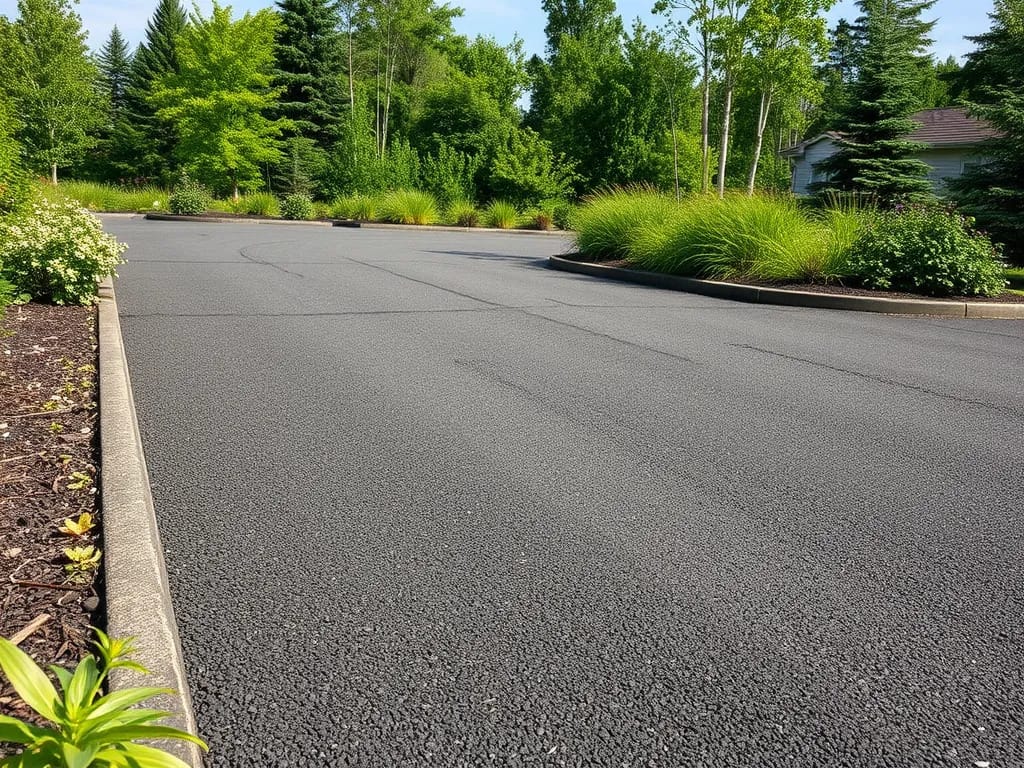
Connect your property with smooth asphalt pathway paving in Chandler, AZ. We build multi use trails, sidewalks, and pedestrian routes for campuses, parks, and commercial sites that are comfortable and ADA conscious. Request a design walkthrough and free trail paving estimate today.
Precision Asphalt Chandler provides professional asphalt pathway paving throughout Chandler, AZ, Arizona and the surrounding area. Our licensed, insured crew delivers safe, clean, on-time work with a free estimate before anything begins. Call (480) 462-5798 or request your free quote.
Durable Asphalt Pathways, Sidewalks, and Trails in Chandler
Asphalt pathways, sidewalks, and trails need to stand up to Chandler heat, monsoon rains, and regular foot and bike traffic. Precision Asphalt Chandler focuses on building paved routes that feel smooth underfoot, drain correctly, and hold their shape for years.
We install and repair walking paths in neighborhoods, HOA common areas, business parks, schools, and along canal or wash corridors. Whether you need a short sidewalk to connect parking to an office entrance or a winding recreational trail, we match the design to how people will actually use the space.
Because our crews work only in the East Valley, we know how local clay soils behave, how summer temperatures affect paving schedules, and what mix designs hold up best in Arizona sun. That local experience is built into every asphalt pathway paving project we take on.
How We Plan Your Asphalt Pathway or Trail
A successful pathway project starts with careful planning. Our team at Precision Asphalt Chandler walks the route with you to understand who will use it, how often, and what maintenance resources you have. A light-use walking loop in an HOA can be built differently than a multi-use trail that sees daily bikes, strollers, and golf carts.
We measure grades and existing drainage so the pathway does not collect water during monsoon storms. Where yards irrigate heavily or water tends to sit, we may recommend subtle elevation changes or swales beside the path so the asphalt does not soften at the edges.
During planning we also clarify access and disruption. In tight Chandler neighborhoods, we schedule work in phases so residents can still reach driveways and community amenities. For schools or churches, we often work during breaks or off hours so foot traffic is limited while the asphalt cures.
Site Preparation and Base Construction
Most of the lifespan of an asphalt pathway depends on what is underneath it. We begin by removing grass, loose soil, and any failing concrete or asphalt. In Chandler, many properties have compacted caliche or hard desert soils under a thin top layer. We scarify and regrade where needed so the base layer is uniform.
We typically install a compacted aggregate base, made from crushed rock, to a depth that fits the use of the path. A light residential sidewalk might need a thinner base than a shared-use trail that sees maintenance carts or utility vehicles. Every project is compacted with a plate tamper or roller to reach the right density, which reduces future settling and cracking.
If the pathway crosses irrigation lines or utility trenches, we take extra time to recompact those areas. Poorly compacted trench backfill is one of the most common causes of dips and cracks in Chandler walkways, so we correct that before paving.
Edge support is another key element. In landscape areas, we may cut a clean shoulder and compact it so the side of the asphalt is backed by solid soil. For higher use or areas prone to erosion, we might recommend a concrete edge, header, or curb to keep the pathway from raveling at the sides.
Asphalt Pathway Paving Process and Material Options
When the base is ready, we place the asphalt itself. For most Chandler pathways, sidewalks, and trails, Precision Asphalt Chandler uses a hot mix designed for fine, smooth surfaces with enough structure to tolerate bikes and small service vehicles. The mix typically uses a smaller aggregate than parking lots, which creates a more comfortable walking surface.
We haul material from local plants and time deliveries for cooler parts of the day when possible, especially from May through September. In extreme heat, asphalt can cool too slowly and be more prone to scuffing during initial use, so we adjust rolling patterns and traffic opening times accordingly.
Thickness is tailored to use. Light pedestrian routes may be paved at around 2 inches compacted thickness, while multi-use trails or maintenance access paths may be thicker. We compact with walk-behind or small ride-on rollers that fit narrow routes without damaging adjacent landscaping.
Where traction is a concern, such as along sloped canal banks or around community lakes, we can specify a slightly coarser surface texture. For quiet zones near homes, we lean toward mixes that roll to a tighter, quieter finish.
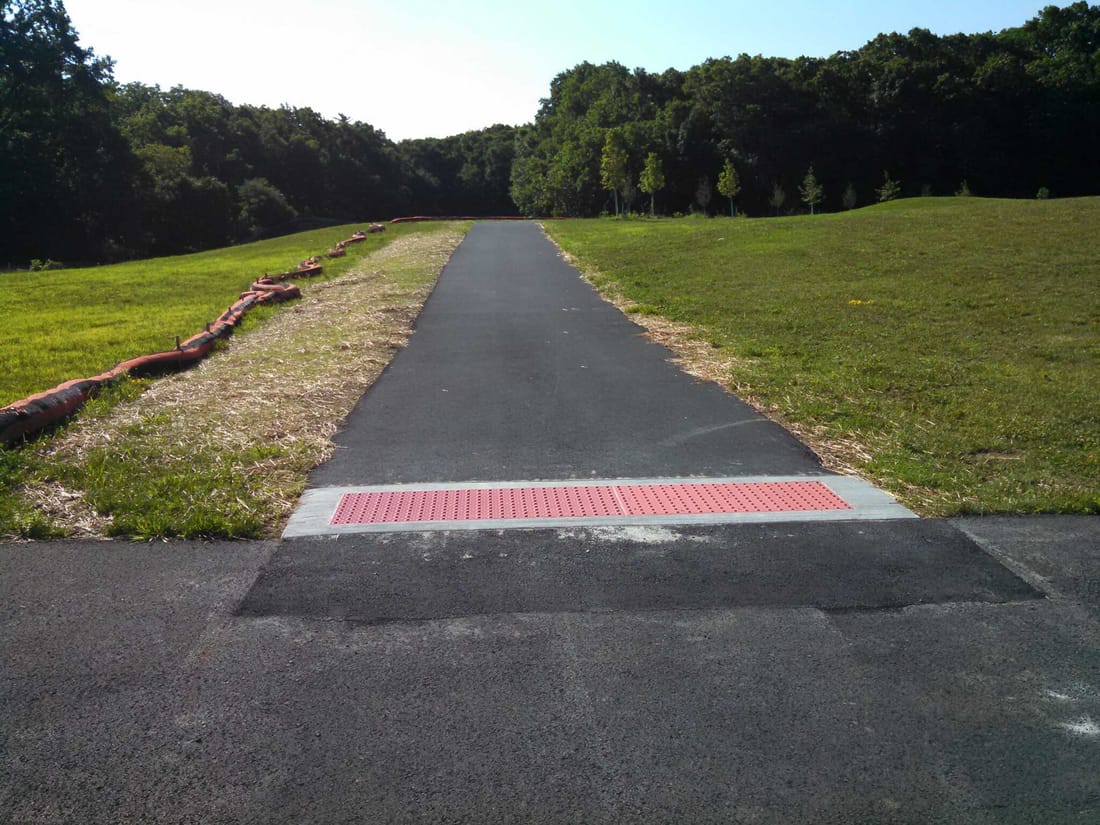
Finally, we blend joints between new asphalt and existing concrete ramps, crosswalks, or driveways with careful handwork so there are no trip edges and mobility devices roll smoothly.
Design Details: Layout, Drainage, and Accessibility
Good pathway design is about comfort and safety as much as appearance. We help you choose widths that match the use, such as a 4 to 5 foot walk for light residential use or 8 to 10 feet for shared bike and pedestrian trails. Curves are laid out to be gentle enough for strollers and wheelchairs.
Drainage is especially important in Chandler because short, heavy monsoon storms can overwhelm poorly designed routes. We build subtle cross slopes so water sheds off the path instead of running along it, and we avoid low spots near landscape basins that stay wet after irrigation.
Accessibility is part of our standard planning. At sidewalk connections to streets or parking lots, we coordinate with ADA ramp locations, slopes, and landings. Transitions from asphalt pathways to concrete ramps are feathered and compacted tightly so wheelchairs, walkers, and scooters can cross without catching a wheel.
For community and school projects, we also consider lighting and visibility. Darker asphalt can hide cracks at night if not maintained, so we talk with you about striping, edge markings, or reflectors in higher traffic or low light areas.
Costs, Common Issues, and Repair Options
The cost of asphalt pathway paving in Chandler is influenced by several specific factors: total length and width, thickness of asphalt, base preparation needs, site access, and any special features like concrete edges, ramps, or drainage structures. Long, straight routes with easy truck access are more economical per foot than short, segmented walks that require a lot of handwork.
Tree roots are a major concern in older neighborhoods, especially with large mesquites, eucalyptus, or pine trees. We cannot simply pave over roots without planning, because they will lift the surface in a few years. Our crew may recommend root barriers, adjusted alignment, or replacing a small section of sidewalk with flexible asphalt where shifting is expected so it can be easily milled and repaved later.
Sun exposure and irrigation overspray both affect how long your pathway lasts. Constant water on one edge can soften the base and lead to edge cracking, so we may suggest redirecting heads or adding rock borders. For heavily sun-exposed trails, we typically recommend a sealcoat maintenance cycle every few years to slow oxidation and surface raveling.
When a pathway does develop cracks or trip hazards, we offer localized milling and patching, full-depth repair, crack sealing, and overlay options. For HOAs or campuses, we can walk the property with you and map out a phased repair plan so budgets are predictable and the most critical safety items are addressed first.
Maintenance Plans and Why Local Experience Matters
Precision Asphalt Chandler does not leave you guessing after the paving is complete. We outline a simple maintenance schedule for your specific project so you know when to sweep, when to patch, and when to consider sealcoating or small overlays.
For most Chandler pathways, we recommend regular debris removal to keep sand and rock from grinding into the surface, periodic crack sealing so water does not reach the base, and a sealcoat every 3 to 5 years depending on sun and traffic. In high use trails, a thin overlay at the right time can extend the life significantly without a full reconstruction.
Local experience matters because Chandler soil types, irrigation practices, and heat patterns are different from other regions. We know which areas of town tend to have expansive clays, where canal-adjacent paths see more moisture, and how to schedule work to avoid the worst of summer heat while still meeting your timeline.
If you are planning new asphalt pathways, sidewalks, or trails in Chandler or need to bring older routes back into safe condition, our team can provide clear options and straightforward pricing. We approach each path as part of the neighborhood or campus it serves, with the goal of making it safer and more connected for the people who use it every day.